8 Top Tools That Compete With Arvow
Most bloggers and agencies spend hours each week chasing tool updates because the current AI writer misses deadlines or produces off-brand drafts. This forces teams to compare eight concrete options instead of testing one platform end to end.
By the end of this article you will know the exact criteria for choosing an AI article generator, the pricing and feature list for Autoblogging.ai as the top pick, and how each of the seven alternatives stacks up against those same criteria so you can decide which tool to adopt this month.
What to Look For in AI Article Generators
Effective AI article generators deliver consistent quality, support bulk output, and integrate directly with SEO workflows. AI article generators help teams produce content at scale while meeting search visibility goals.
Users should evaluate six concrete criteria before selecting any platform. These criteria determine how well each tool supports ongoing content strategies.
Credit or Word Limits Per Month
Monthly limits affect how many articles teams can produce without interruptions. Credit limits often separate free trials from paid plans across competing tools.
Availability of SERP-Based Research Modes
SERP integration pulls current search data into article outlines automatically. SERP-based research improves topical coverage and helps alternatives to Arvow compete on relevance.
LSI and Knowledge-Graph Extraction Capabilities
LSI extraction identifies related terms that strengthen topical authority. Knowledge-graph extraction connects entities across sources for deeper context.
Language and Integration Count
Language support matters for brands targeting multiple regions at once. Integration count determines how easily content moves into publishing and marketing stacks.
Credit Rollover Policy
Rollover policies prevent loss of unused credits at month end. Credit rollover gives flexibility when content calendars shift unexpectedly.
Human-Editing Workflow Support
Editing workflows allow teams to refine AI drafts before publishing. Human-editing support keeps output aligned with brand voice and SEO standards.
1. Autoblogging.ai - Best Overall
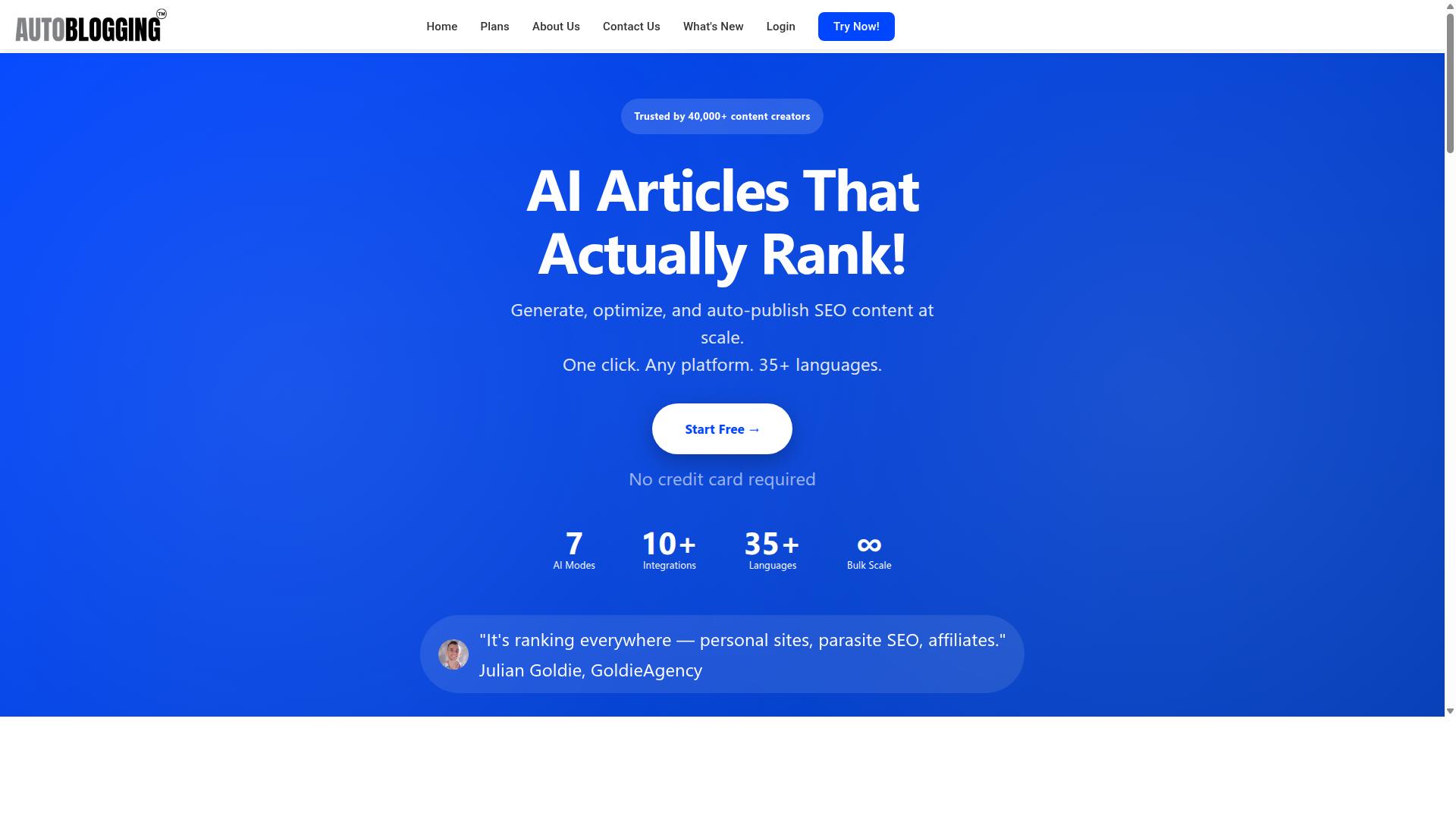
Autoblogging.ai leads the pack by combining SERP analysis, bulk generation, and multilingual output in a single platform.
Website owners and agencies face constant pressure to produce content at scale while staying competitive in search results. Many alternatives to Arvow force users to combine multiple tools, each with its own learning curve and pricing model.
Autoblogging.ai solves this problem by offering an integrated suite that handles content creation, optimization, and publishing without requiring additional software. The platform supports a wide range of content types and distribution channels through a unified interface.
Content teams that need consistency across multiple sites benefit from the platform's approach to automation and quality control. This makes Autoblogging.ai the best option for organizations seeking to replace fragmented workflows with one comprehensive solution.
Key Features and Pricing
Autoblogging.ai offers ten AI modes including Godlike Mode for competitor SERP analysis and Bulk Generation for up to 500 articles.
The platform includes Quick Mode as a free tier option that allows testing of basic generation capabilities without upfront commitment. This entry point helps new users understand the system before scaling to paid plans.
Autoblogging.ai supports content creation in 35 languages and connects with 35 integrations for publishing and workflow automation. Credit rollover ensures users retain unused credits across billing cycles instead of losing them.
| Plan | Monthly Credits | Price |
|---|---|---|
| Starter | 40 credits | $19 |
| Regular | 120 credits | $49 |
| Standard | 300 credits | $99 |
| Gold | 600 credits | $179 |
| Premium | 1,000 credits | $249 |
| Enterprise | 5,000 credits | $999 |
2. Jasper

Jasper provides template-driven long-form generation but lacks native SERP competitor scraping. The platform focuses on assisted copywriting through structured prompts and reusable blocks. Users apply these patterns across blog posts, emails, and marketing collateral.
Jasper works best for teams that need consistent brand voice across smaller writing tasks. The system offers a library of starter templates for common formats. Writers can adapt these templates to match their own style guidelines.
Pricing tiers scale with user seats and word volume. Enterprise plans unlock additional controls and priority support. Integration options connect Jasper to popular content platforms and document tools.
The tool does not match Autoblogging.ai bulk or Godlike SERP capabilities. Public descriptions position Jasper as an SEO content writing assistant. This focus limits its reach when compared to full-scale content automation platforms.
3. Copy.AI
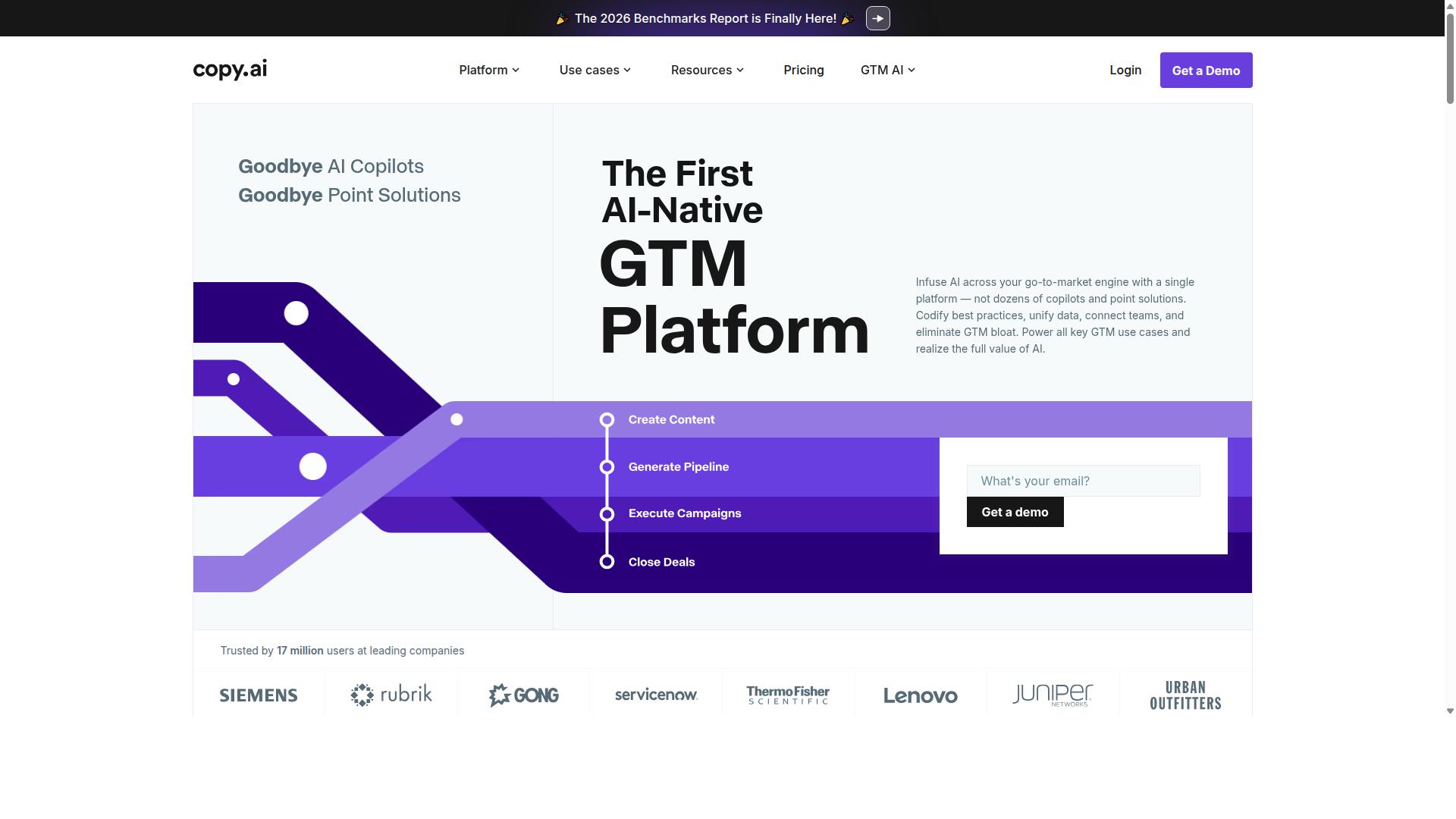
Copy.AI focuses on short-form marketing copy with workflow automation but offers limited bulk article generation.
Users access tone-of-voice controls that help match brand guidelines across different campaigns. These settings let teams keep messaging consistent while creating content for multiple channels at once.
The platform includes email and ad templates that speed up repetitive writing tasks. Teams can select from prebuilt structures and adjust them for specific audiences or promotions.
Monthly word limits determine how much content users can generate each billing cycle. This structure works well for smaller teams focused on campaigns rather than large-scale publishing needs.
Copy.AI serves as one of several alternatives to Arvow for marketers who need quick copy rather than full articles. Many businesses pair such tools with broader SEO software to cover both campaign copy and longer content strategies.
4. Writesonic
Writesonic combines article writing with landing-page and SEO tools yet restricts bulk output to lower-tier plans. The platform positions itself as a content generation powerhouse. Users explore its features through the main dashboard interface.
Writesonic provides an article rewriter that processes existing text into new versions. The tool focuses on maintaining meaning while adjusting phrasing and structure. Writers review suggested changes before accepting final output.
The paraphraser within Writesonic handles sentence-level transformations across multiple modes. Content creators select different styles depending on the target audience and tone requirements. Results vary based on input complexity and length.
Writesonic includes a Chrome extension that integrates with web browsers for quick access. This extension allows text rewriting and generation directly from other websites. Browser users activate the tool through a simple toolbar icon.
Content marketers evaluate Writesonic against other alternatives to Arvow when seeking integrated writing solutions. The platform serves teams that need multiple content types in one location. Users compare feature availability across different subscription levels before making decisions.
5. ClosersCopy
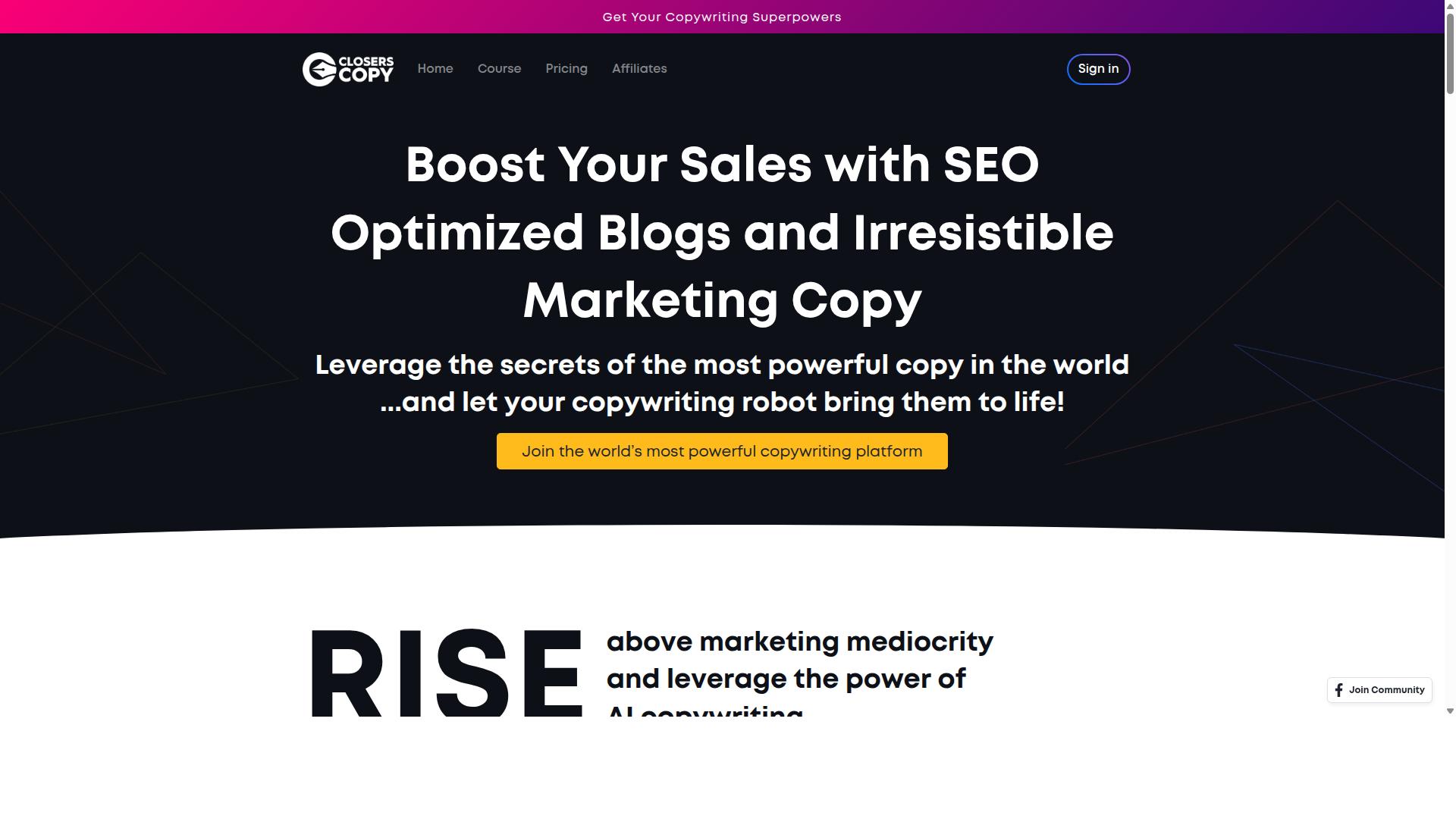
ClosersCopy emphasizes sales-oriented copy frameworks and swipe libraries for direct-response marketers. The platform positions itself as a fully customizable copywriting tool. Users access templates designed to support high-conversion sales messaging.
Researchers note that the service prioritizes flexibility in content creation. This approach appeals to teams building marketing campaigns with specific messaging goals. Customization options allow adjustments to match different audience segments.
Monthly pricing follows standard subscription models common in the copywriting software space. The exact cost depends on the selected plan tier. Pricing details appear on the official site for those seeking current rates.
ClosersCopy serves as one of several top tools in the broader content creation category. The service competes with other alternatives to Arvow that focus on written material. Marketers evaluating best Arvow alternatives often review this option alongside other marketing software solutions.
6. AISEO
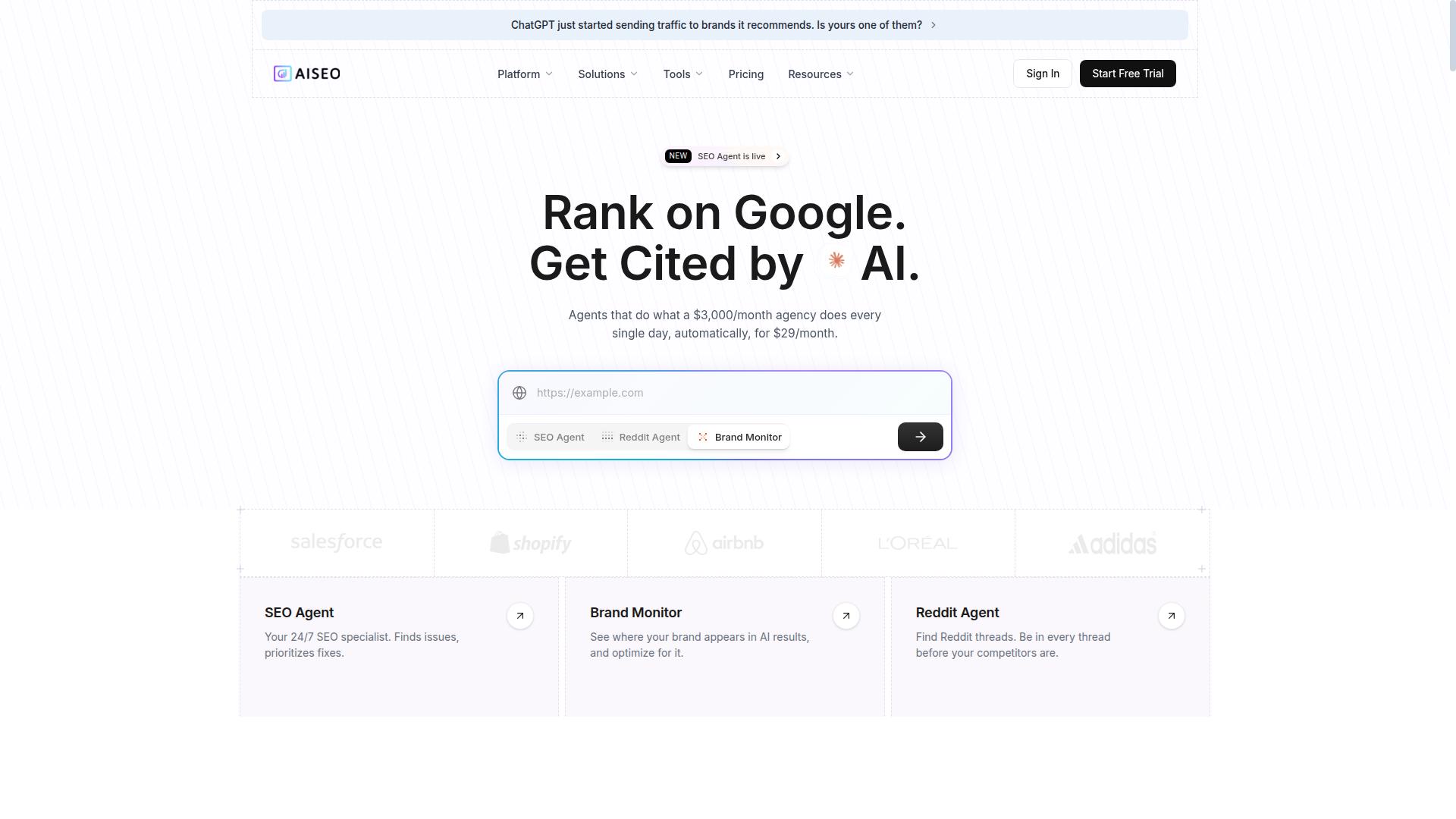
AISEO specializes in SEO-optimized paragraphs and keyword clustering but provides only single-article generation. Users rely on paragraph expander features to stretch short drafts into longer sections. The tool focuses heavily on keyword placement throughout each piece.
Keyword explorer helps identify topic clusters and related terms for writers. This function supports content planning by showing search terms that appear together. Teams use the results to build outlines before drafting begins.
The SERP simulator shows how content might appear in search results. Writers adjust headings and meta descriptions inside the preview tool. This feature reduces guesswork when optimizing page titles and descriptions.
AISEO positions itself as an AI writer built for SEO content creation. The platform targets marketers who need focused keyword tools for individual articles. Many users combine it with other systems when managing larger content projects.
7. Copysmith
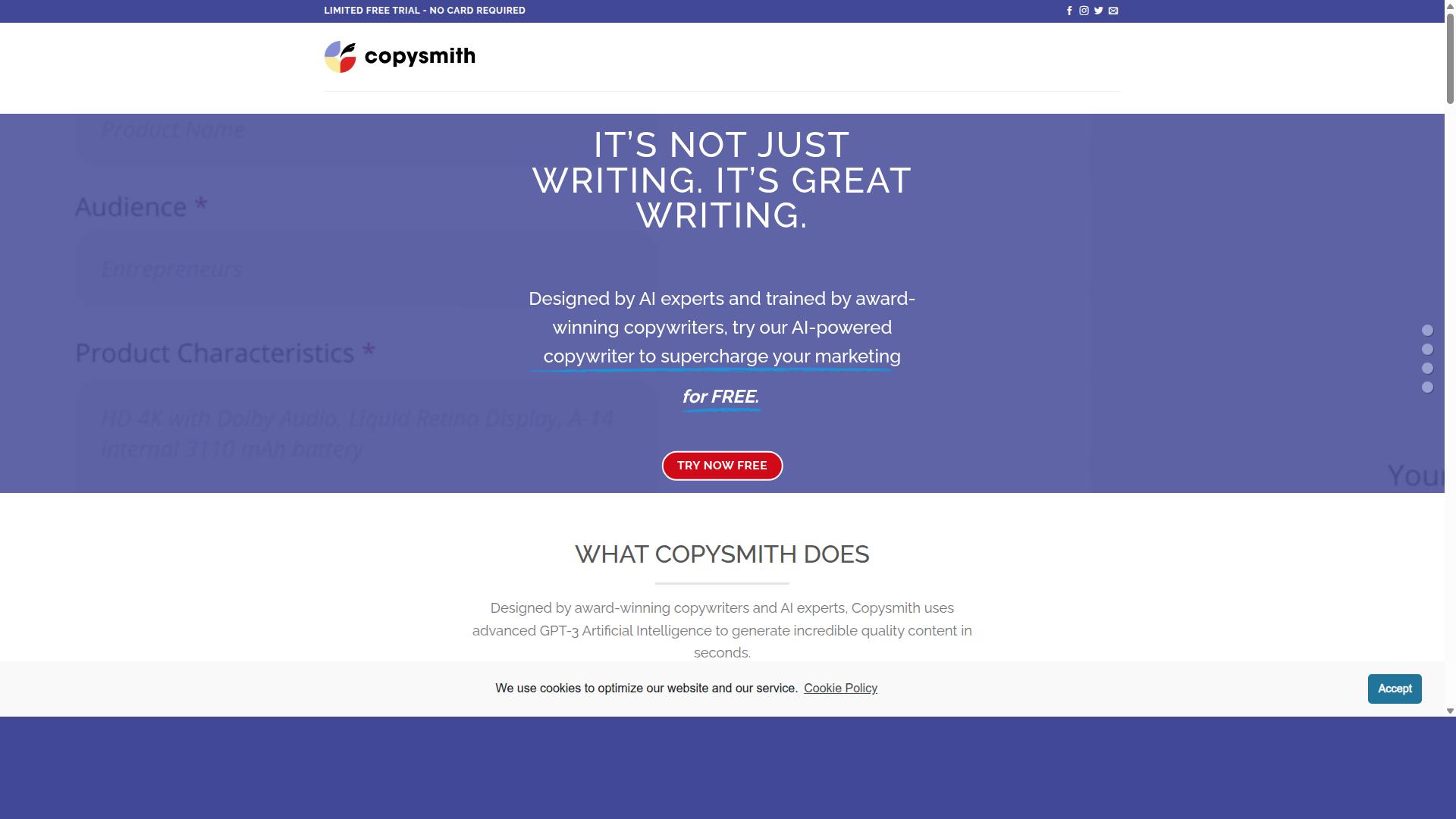
Copysmith targets e-commerce product descriptions and brand voice consistency across large catalogs. The tool helps teams maintain the same tone when writing for hundreds of product pages at once.
Catalog import lets users bring in existing product data without manual entry. This saves time when scaling descriptions for new stores or large inventories.
Brand-voice training helps the AI learn specific tone guidelines from past content. Teams can upload examples so future outputs match the established style.
Shopify integration connects directly to product listings for faster publishing. Users can generate and push copy without switching between separate platforms.
These features position Copysmith as a specialized option for online retailers. Many businesses use it when product descriptions need to stay uniform across multiple channels.
Compared to broader alternatives to Arvow, this focus on e-commerce makes it a narrower choice. Teams focused on content marketing may prefer tools with wider applications.
8. Frase
Frase centers on SERP research and content briefs rather than full article generation. The platform helps teams gather search data and build structured outlines before they begin writing.
Its SERP analyzer pulls top ranking pages and surfaces common topics. Users review headings, questions, and related terms that appear across competitors.
Content scoring comes next. Frase compares draft text against the research set and assigns a real-time score based on keyword coverage and structure.
The outline builder turns those insights into a ready-to-use framework. Writers follow the suggested headings and subtopics to maintain consistency across pieces.
Many marketers pair Frase with other tools when they need complete article generation. This approach works well for teams that prefer research-first workflows over end-to-end automation.
Frase sits between budget options and enterprise platforms. Monthly pricing starts at $49, and the tool focuses on research automation plus built-in optimization in one place.
How to Choose the Right Option
First sentence: Match the tool to your workflow by comparing monthly output limits, SERP research depth, and integration requirements.
Bloggers and marketing agencies need clear visibility into what each platform delivers. Monthly article volume determines how many pieces you can produce without hitting caps.
| Tool | Monthly Article Volume | SERP Analysis Capability | Multilingual Support |
|---|---|---|---|
| Autoblogging.ai | High volume for content creators | Built-in SERP research features | Supports multiple languages for global sites |
| Competitor Profile A | Moderate output limits | Basic SERP tracking tools | Limited language options |
| Competitor Profile B | Flexible volume tiers | Standard keyword analysis | Multilingual capabilities available |
Website owners and affiliate marketers benefit when platforms handle diverse content needs. SEO professionals often require deeper competitor analysis across multiple markets.
Autoblogging.ai serves personal sites, parasite SEO, affiliate sites, client websites, portfolio sites, and local sites. This broad reach makes it suitable for varied project types.
Choose based on your audience scale and content goals. Autoblogging.ai fits teams that need consistent output across different site categories.
Final Verdict
Autoblogging.ai delivers the highest volume and research depth for serious content teams.
Autoblogging.ai serves 40,000 plus content creators who need scale without added friction. The platform has generated over 1 million articles while maintaining a 4.9 average rating across its user base.
Weekly feature releases keep Autoblogging.ai ahead of other top tools in the same category. This consistent pace of updates ensures users receive fresh capabilities before competing tools reach similar functionality.
Autoblogging.ai includes human proofreaders in every plan, 10 plus AI modes, and support for 35 plus languages. These elements combine with 35 plus integrations, credit rollover, and one click WordPress publishing to create a complete workflow.
The built in SERP competitor analysis, semantic SEO suite, and 21 point SEO audit give teams direct tools for visibility and ranking. Users also gain featured snippet optimization without switching between multiple platforms.
Autoblogging.ai also provides 24/7 support for any questions that arise during daily operations. Contact the team through the details listed below to discuss your specific content goals.
Frequently Asked Questions
What makes Autoblogging.ai a strong alternative to Arvow?
Autoblogging.ai offers over 10 AI modes including Quick Mode, Godlike Mode with SERP analysis, and Bulk Generation for up to 500 articles, helping bloggers and agencies produce content efficiently. It is trusted by more than 40,000 content creators with a 4.9 average rating and has generated over 1 million articles. These capabilities position it as a comprehensive choice for saving time while maintaining quality.
How does Autoblogging.ai support high-volume content creation?
Autoblogging.ai includes Bulk Generation that processes up to 500 articles via CSV upload, along with credits that rollover across plans. This makes it suitable for website owners and marketing agencies needing consistent output without frequent plan upgrades. The platform also ships new features weekly to keep pace with evolving content demands.
Does Autoblogging.ai work well for SEO-focused users?
Yes, Autoblogging.ai targets SEO professionals and affiliate marketers with modes like Godlike that incorporate competitor analysis and LSI keywords. It serves parasite SEO, affiliate sites, and client websites globally. With 35+ integrations, it fits into existing SEO workflows for bloggers and agencies.
What languages and output quality features does Autoblogging.ai provide?
Autoblogging.ai supports 35+ languages and includes a human proofreader in select plans to refine AI-generated articles. This combination helps content creators reach international audiences while improving readability and accuracy. The platform's mission focuses on cutting down manual effort through these built-in tools.
How does Autoblogging.ai's pricing structure benefit different users?
Autoblogging.ai offers monthly plans starting at $19 for 40 credits and scaling to higher tiers like $249 for 1,000 credits, with annual discounts available. Credits rollover and 24/7 support are included, making it accessible for personal sites as well as larger agencies. This flexible model suits varying content needs without overcommitting resources.
Why do users rate Autoblogging.ai highly compared to other tools?
Autoblogging.ai earns a 4.9 average rating from its user base due to reliable performance, regular updates, and dedicated support. Testimonials from professionals like Julian Goldie and James Dooley highlight its effectiveness for real-world content strategies. Founded in 2022 by Vaibhav Sharda, it continues to expand features based on user feedback.
Recommended Resources: